
Wanaka MRI Service: New Imaging Facility to Improve Regional Healthcare Access
Access to advanced healthcare is set to improve significantly with the introduction of a new Wanaka MRI service, aimed at reducing wait times and bringing critical diagnostic imaging closer to thousands of residents across Central Otago.
The new service, launching in September 2026, is part of a broader investment into imaging infrastructure designed to address growing demand and long-standing access challenges in regional New Zealand.
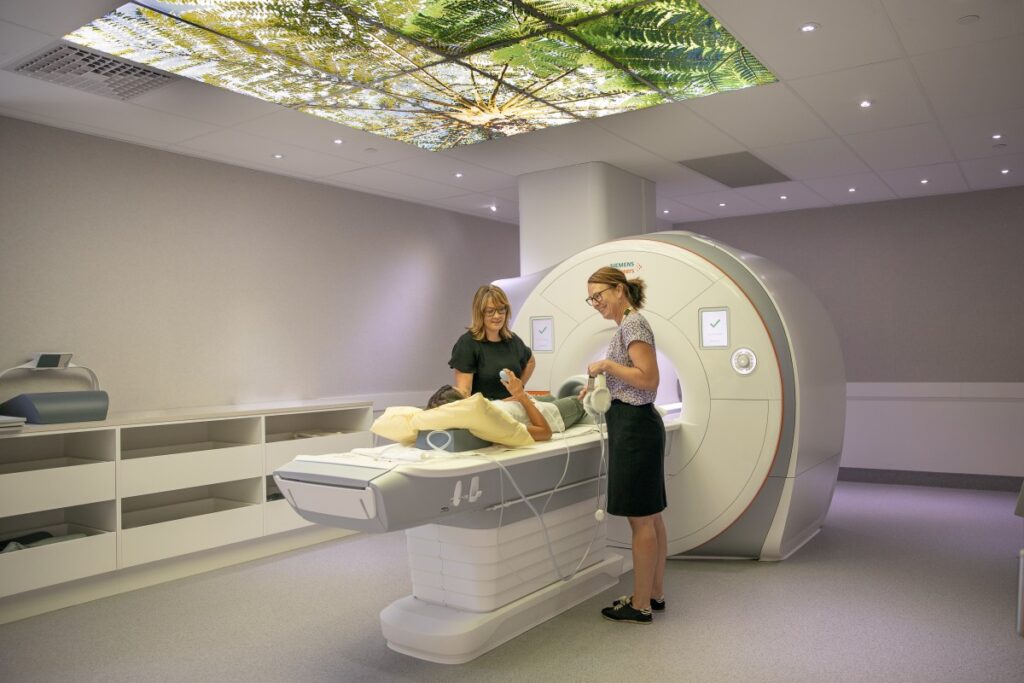
Wanaka MRI Service to Reduce Wait Times
Latest Health New Zealand data highlights the scale of the issue, with 3,938 people in the Southern region currently waiting for a CT or MRI scan. More than half of MRI patients are waiting longer than the recommended 42-day target.
The introduction of the Wanaka MRI service is expected to ease pressure on existing facilities and improve access for patients who currently face delays or long travel times.
Pacific Radiology Group, the largest diagnostic imaging provider in the South Island, will operate the new service, adding to its existing X-ray and ultrasound offering in the region.
Expanding Access to Advanced Diagnostic Imaging
The new MRI facility is expected to deliver capacity for up to 4,000 additional scans annually across Wanaka, Queenstown, Cromwell and surrounding areas.
Dr Jacquie Copland, managing radiologist for Otago and Southland, says demand for imaging continues to rise across the Central Lakes region.
“We know that early access to diagnostic imaging is critical to improving patient outcomes, with around four out of five cancer diagnoses relying on imaging at some stage of the clinical pathway.
“As it already does throughout the South Island, PRG will work with Health New Zealand to increase access to publicly funded MRI imaging for the people of Central Otago region.
“The issue also reflects a broader rural health equity challenge, with patients living outside major centres often facing longer travel times and reduced access to specialist diagnostic services compared with those in larger cities.
“Rapid population growth in parts of regional New Zealand has also increased demand for local health services. Districts such as the Central Otago Lakes area have been among the fastest growing in the country in recent years, placing additional pressure on diagnostic services traditionally concentrated in larger centres.”
Local Demand Driven by Unique Regional Factors
The Central Lakes region presents a distinct healthcare demand profile, combining a physically active population with strong population growth and seasonal tourism pressures.
Dr Ruth Highet, Sports and Exercise Medicine specialist at Wanaka SportsMed, says the region’s demographics create consistent demand for advanced imaging.
“We see a high proportion of tradespeople in physically demanding roles, a very athletic younger population and older population often with complex joint and mobility issues, and one of the most active communities in New Zealand, year-round which brings a high incidence of sports and recreational injuries.
“That combination creates sustained and very often urgent demand for advanced imaging, particularly during peaks of summer and winter seasons when the population doubles with domestic and international visitors.
“Despite that, access to High Tech imaging, including MRI, has historically lagged behind larger centres, meaning patients have effectively been underserved for many years.
“The introduction of a local MRI service is particularly timely, with transport costs rising rapidly. For many patients, the need to travel for a scan creates a real but often overlooked cost burden, especially when they are already injured or unwell.
“Early access to MRI can make a critical difference to treatment decisions. In many cases, particularly with musculoskeletal injuries, getting a scan quickly can determine whether a patient can be managed conservatively or whether they require surgery, which carries significant costs, recovery time and risks.
“Without a local hospital, diagnostic imaging is one of the most important tools we have to make early and accurate treatment decisions.
“Earlier diagnosis means faster treatment decisions and better outcomes for patients across the region.”
Reducing Travel Burden for Patients
Currently, many Wanaka residents must travel to Queenstown or Cromwell for MRI scans, often navigating challenging routes such as the Crown Range.
Dr Copland says the new service will significantly reduce that burden.
“Introducing MRI services in Wanaka will significantly improve access for patients across the Central Lakes region who currently need to travel to Queenstown for imaging.
“For many people in Wanaka and surrounding communities, accessing an MRI has meant travelling over the Crown Range or through Cromwell, which can be difficult for patients who are already unwell or dealing with injury.
“The need in Central Otago reflects a broader pattern across regional New Zealand, where access to advanced diagnostic imaging has often struggled to keep pace with rapid population growth,” she says.
According to Health New Zealand, improving access to diagnostic services is a key part of addressing healthcare inequities between urban and rural populations.
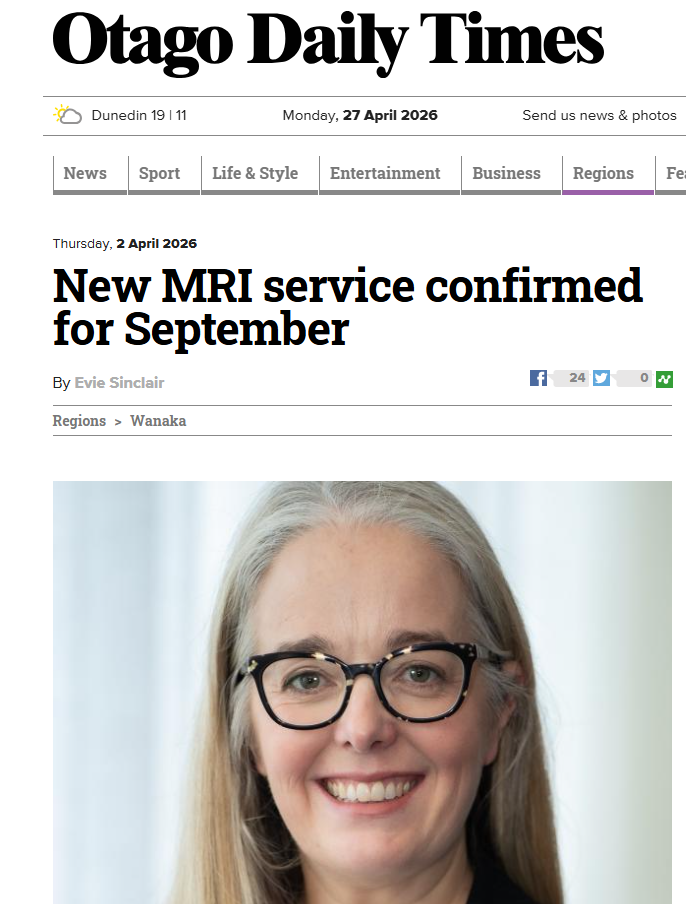
Media Coverage and National Attention
This story has been covered by NZ Herald, highlighting strong national interest in improving regional healthcare infrastructure and access to diagnostic imaging.
The Role of Strategic Communications in Healthcare Infrastructure
Communicating developments in healthcare infrastructure requires clarity and credibility, particularly when public access and equity are involved. This is where one of the top PR agencies new zealand organisations rely on plays a vital role.
Impact PR works closely with healthcare providers, medical specialists and infrastructure organisations to translate complex health system developments into clear, accurate narratives. In areas such as diagnostic imaging, effective communication helps highlight access gaps, inform communities and support policy awareness. The agency has extensive experience delivering national coverage across major outlets and positioning healthcare initiatives within broader system challenges. As demand for regional healthcare services continues to rise, strategic PR ensures these developments are understood and valued by the public. This approach supports both awareness and long-term trust in the health system.