
Kiwi Scientists’ World-First Wearable Drug Platform to Target $10bn US Injectables Market
A Christchurch medtech startup is preparing to commercialise a world-first wearable drug platform that could help reshape how people manage long-term injectable treatments for diabetes, obesity, Parkinson’s and Alzheimer’s disease.
Zuuka, founded in New Zealand, is raising capital to fund prototype development, user trials and regulatory submissions as it prepares for entry into the United States. The move comes as the global market for wearable healthcare technology expands rapidly, following recent US Food and Drug Administration clearance extending automated insulin dosing technology to adults with type 2 diabetes.
The technology was developed by Dr Jake Campbell (Te Rarawa) as part of a post-doctoral research team at the University of Canterbury, which focused on low-power wearable drug delivery systems.
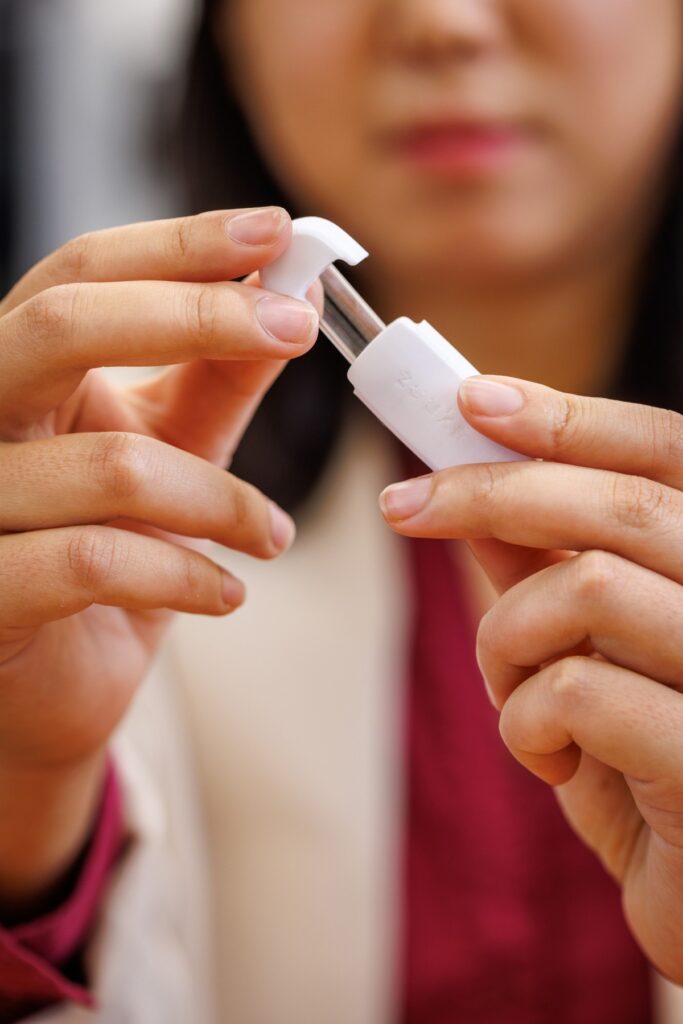
Wearable Drug Platform Designed Around Real Patient Barriers
Dr Campbell says many of the biggest barriers to long-term treatment adherence are not medical, but practical and psychological.
“The same barriers affecting insulin pump adoption, including complexity, stigma and treatment burden, increasingly exist across a wide range of injectable therapies,” he says.
“A huge amount of effort goes into developing medicines, but treatments only work if people can realistically use them every day and manage them long term.
“The most expensive medicine in the world is the one the patient never ends up taking.”
Zuuka co-founder and chief executive Jamie Cairns says the company’s platform is being developed for a broad range of next-generation injectable medicines for chronic diseases and neurological conditions, as well as automated insulin delivery systems that respond in real time to changing glucose levels.
He says the funding round will support prototype development, user trials and early-stage commercialisation ahead of a planned US market launch in 2029. It is also expected to support new engineering and product development hires in Christchurch as the company moves through prototyping and regulatory phases.
New Zealand Wearable Drug Platform Targets US Market Opportunity
Cairns says growing competition among pharmaceutical companies is increasing demand for wearable delivery systems capable of improving treatment adherence and long-term patient retention.
After launching in the New Zealand market, Zuuka sees the United States as its primary commercial opportunity, with around two million Americans already using insulin and rapidly growing demand emerging for wearable delivery systems across obesity and chronic disease treatment.
One of the company’s main design goals is to reduce the operational complexity and visibility that can discourage people from using wearable medical devices over the long term.
“People don’t want to walk around feeling like they’re attached to medical equipment,” he says.
“Existing systems can be intrusive, operationally complex and highly visible in daily life. We wanted to develop something that becomes almost invisible.”
He says the company’s unique housing and usability-focused design approach was developed to make wearable medical technology more accessible to a broader range of users, including people who may traditionally struggle with smaller or more complex medical devices.
“A lot of wearable healthcare technology has historically been engineered around the technology itself rather than the user experience,” says Cairns.
“High discontinuation rates seen across some injectable therapies highlight how important usability, comfort and day-to-day wearability are becoming for long-term patient adherence.
“Our focus has been designing something that is intuitive, user-centric and capable of integrating much more seamlessly into everyday life.”
Lower-Power Design Could Reduce Charging, Size and Medical Waste
Zuuka’s proprietary micro-actuator platform replaces traditional motor-driven wearable delivery systems with a significantly lower-power platform. The company says this reduces charging requirements, device size and operating complexity.
Dr Campbell says the actuator platform has enabled the development of a miniaturised wearable device around half the size of some current market-leading patch pumps while operating for more than a year without regular charging.
The system uses a reusable pump body with replaceable infusion components rather than fully disposable products, which Dr Campbell says could reduce medical waste by up to 99 percent compared with some disposable patch pump systems currently on the market.
He says a person diagnosed with Type 1 diabetes at a young age could potentially use and discard more than 7,000 disposable pumps over their lifetime and that each one of those pumps equates the same environmental footprint as discarding 18,000 user coffee cups.
The platform is intended to integrate with continuous glucose monitoring systems, smartphone apps and cloud-based clinician platforms. Cairns says wearable healthcare technologies are increasingly being integrated into AI-driven monitoring systems as healthcare shifts toward more proactive and remote models of care.
“These technologies need to work together seamlessly for patients, clinicians and caregivers,” he says.
Diabetes Management First, Wider Chronic Disease Potential Ahead
The first commercial application for the Zuuka platform is diabetes management, where poor adherence to insulin treatment remains a major global challenge.
More than 300,000 New Zealanders are estimated to be living with diabetes, while industry data cited by Cairns suggests around 18 percent of insulin pump users eventually discontinue pumps and return to injections because devices are too cumbersome or difficult to manage long term.
Poor insulin adherence is associated with significantly higher rates of hospitalisation and long-term complications including kidney disease, blindness, amputations and cardiovascular disease.
Dr Campbell says some existing insulin pump systems can require more than three hours of one-on-one clinician training for new users, creating additional pressure on already stretched healthcare services.
He says the same wearable platform could eventually be adapted for a wide range of therapies increasingly moving into home-based treatment models.
“We see potential applications in Parkinson’s therapies, pulmonary arterial hypertension treatments and emerging Alzheimer’s drugs transitioning from intravenous to subcutaneous delivery, where treatment delivered at home could significantly reduce healthcare costs and hospital demand,” he says.
Clinical Leaders Say Simpler Treatment Tools Are Needed
Christchurch paediatric endocrinologist Professor Martin de Bock says healthcare systems globally are increasingly focused on technologies that simplify long-term disease management and improve treatment adherence.
“The long-term challenge with chronic disease management is not simply access to medicines, but supporting people to manage treatment consistently over many years,” he says.
“Anything that reduces complexity and helps people better integrate treatment into normal daily life has the potential to improve long-term management outcomes.”
Diabetes New Zealand chief executive Heather Verry says treatment fatigue and long-term adherence remain significant challenges for many people living with chronic disease.
“Managing conditions like diabetes is relentless for many people because it requires constant monitoring, decision-making and treatment management every day,” she says.
“Technology that can reduce complexity and make treatment easier to maintain over the long term has the potential to make a meaningful difference to quality of life and long-term health outcomes.”
Wearable Drug Platform Could Become a New Zealand Medtech Export Story
Cairns says Zuuka sees the platform as a significant New Zealand medtech export opportunity, with the United States expected to become its first major commercial market.
He says the current funding round is expected to provide a 12–18 month runway through prototype completion, user trials, app development and commencement of regulatory processes.
The company is targeting initial New Zealand regulatory approval and early local sales before pursuing full US regulatory approval and broader American market entry.
“The global insulin pump market is projected to grow from about US$8.2 billion in 2026 to more than US$22 billion by 2034, driven by rising diabetes rates and growing demand for wearable patch-based delivery systems.
“Our long-term goal is to make complex injectable treatments easier for people to manage independently at home over decades of living with chronic disease.”
Impact PR Supports New Zealand Medtech and Health Innovation Stories
Impact PR works with New Zealand health, technology and medtech companies to translate complex innovation into clear, credible media stories. The agency has experience supporting businesses that need to communicate scientific, clinical and commercial milestones to national media, sector publications, investors and the wider public.
For emerging companies in health innovation, strong communication is not just about publicity. It is about building trust, explaining patient benefit and helping audiences understand why a new technology matters. As one of the PR agencies new zealand businesses turn to for strategic media relations, Impact PR helps founders, clinicians and technical experts shape stories that are accurate, accessible and commercially relevant.
Medtech companies often face the challenge of communicating across several audiences at once, including patients, clinicians, regulators, investors and potential partners. Impact PR helps bridge that gap by developing media angles that retain technical credibility while still being understandable to mainstream readers. In sectors such as healthcare, sustainability and deep technology, that balance is essential.
Impact PR’s work across innovation-led industries supports companies with media releases, thought leadership, founder profiling, stakeholder communications and launch campaigns. For New Zealand exporters, this can also help position local innovation for offshore markets. In medtech, where credibility and timing matter, clear communication can help a company’s story stand out well before commercial launch.