New Public Health Initiative Boosts Physical Activity in New Zealand
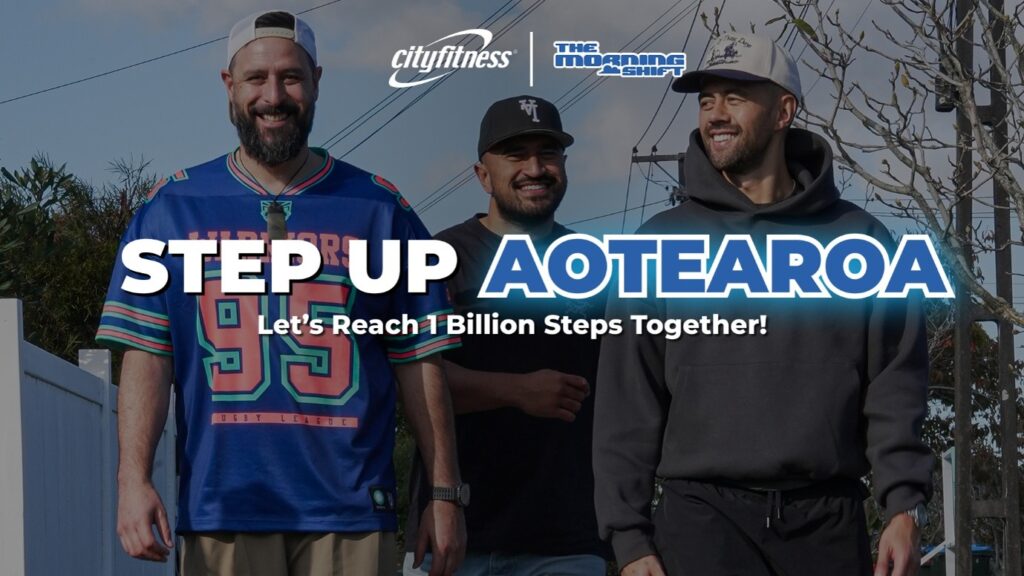
A new national health initiative launched to address declining levels of physical activity in New Zealand and rates of preventable chronic disease has seen thousands of Kiwis reach one billion steps in just 11 weeks.
Developed by CityFitness, the initiative was created to encourage people of different ages and fitness levels to build more movement into everyday life through walking, running, gym workouts and recreational exercise.
The result was well ahead of the original target, which aimed to reach 1 billion steps over 40 weeks. Nearly 3,000 participants contributed, averaging more than 13.6 million steps a day and hitting the milestone more than 5 months early.
Interior of a CityFitness gym, reflecting the fitness setting behind the Step Up Aotearoa initiative.
Why Physical Activity in New Zealand Remains a Public Health Priority
The achievement lands against a sobering backdrop. Latest Government research shows just 47% of New Zealand adults meet recommended physical activity guidelines. At the same time, the World Health Organization identifies physical inactivity as one of the leading risk factors for premature death worldwide, with links to cardiovascular disease, type 2 diabetes, obesity, several cancers and poorer mental health.
Those figures help explain why physical activity in New Zealand has become an important public health focus. The issue is not simply about sport or gym attendance. It is about finding practical ways for more people to move regularly in daily life and reduce long term health risks. Health New Zealand recommends adults undertake at least 150 minutes of moderate-intensity physical activity each week to help reduce the risk of chronic disease and improve physical and mental wellbeing.
How Step Up Aotearoa Lifted Physical Activity in New Zealand
CityFitness says the challenge was built around participation rather than competition. Every step counted, whether it came from a lunchtime walk, a workout, a family outing or choosing the stairs over the lift. That approach gave Step Up Aotearoa a broad appeal and helped make physical activity in New Zealand feel more accessible for people who may not usually see formal exercise as part of their routine.
Doug Hatten, CityFitness chief operating officer, says the wider purpose was to help people make sustainable changes rather than chase short term intensity.
“Physical inactivity is one of New Zealand’s most significant and preventable public health challenges, yet many people don’t see exercise as something that naturally fits into their daily routine.
“Step Up Aotearoa was designed to demonstrate that improving health doesn’t necessarily mean running marathons or spending hours in the gym. Walking more, taking the stairs, exercising with family or making time for regular movement can all make a meaningful difference,” he says.
That message matters because sustained habits are usually what determine whether public health initiatives deliver lasting value. Reaching a headline figure is important, but the bigger test is whether people keep moving once the campaign ends.
Technology Made Participation Easier
Another reason the initiative scaled quickly was its use of common devices. Smartphones, smartwatches and fitness trackers allowed participants to connect the technology they already used and automatically add their activity to a national tally. In that sense, digital tools may have an increasingly important role in supporting physical activity in New Zealand by removing friction and making progress visible.
“Smartphones, smartwatches and fitness trackers allowed participants to automatically contribute their daily activity to the challenge, creating a real-time national picture of progress. Participants simply connected the device they already used every day, with their steps automatically added to the collective total.
“The technology removed many of the traditional barriers to participation. People didn’t need specialist equipment or to be in a particular location. Whether they were walking to work, taking the dog for a walk, exercising at the gym, playing sport or simply choosing the stairs instead of the lift, every step counted.
“Being able to watch the national step total grow in real time also created a sense of shared purpose and accountability, helping motivate participants to stay active and contribute towards a common goal. It transformed thousands of individual health decisions into a collective nationwide achievement.”
What the Milestone Means for Physical Activity in New Zealand
The 1 billion-step milestone shows that collective goals can turn individual choices into a shared national effort. It also suggests there is real public appetite for campaigns that lower the barrier to entry and focus on attainable behaviour rather than elite performance.
For policymakers, health advocates and fitness providers, the result offers a practical example of how physical activity in New Zealand can be encouraged at scale. Programmes that feel inclusive, measurable and easy to join are more likely to keep people engaged over time.
Hatten says the most important outcome will be whether participants keep building movement into their everyday routines after the campaign.
“While one billion steps is an important milestone, the real success will be if more New Zealanders continue making physical activity a regular part of their lives long after this initiative has finished.”
CityFitness and The Morning Shift supported Step Up Aotearoa’s nationwide challenge to reach 1 billion steps.
How PR Supports Public Health Campaigns
For health brands, fitness organisations and community initiatives, public relations can play a useful role in turning a campaign into something people understand, trust and want to join. Strong media relations and clear messaging help explain why issues like physical activity in New Zealand matter, while also showing audiences what practical action looks like.
A specialist health communications agency can also help organisations translate research, programme results and expert comment into credible public education. That can support reputation, increase participation and build wider awareness among policymakers, partners and investors.
In sectors tied to prevention and wellbeing, good communications are not just about publicity. They help organisations present evidence clearly, keep messages accessible and maintain trust when discussing sensitive health issues. When campaigns connect data with everyday behaviour, they stand a better chance of creating lasting change in physical activity in New Zealand.