
Construction Industry Suicide Risk Sparks Warning Over Workplace Bullying
New South Wales’ construction sector is being urged to take stronger action on workplace bullying, isolation and psychological stress after new Australian research linked young tradies to the industry’s elevated suicide risk.
The research found male construction workers continue to die by suicide at substantially higher rates than other employed men, with workers aged 25 to 34 recording the highest recent suicide rates in the sector, at around 35 deaths per 100,000.
According to latest Government data, NSW has recorded the highest number of male construction worker suicides of any Australian state, with 1,176 deaths over the past 19 years. Long-term national coronial data shows male construction workers in NSW have a suicide rate of 24.3 per 100,000, compared with 13.1 per 100,000 for other employed men.
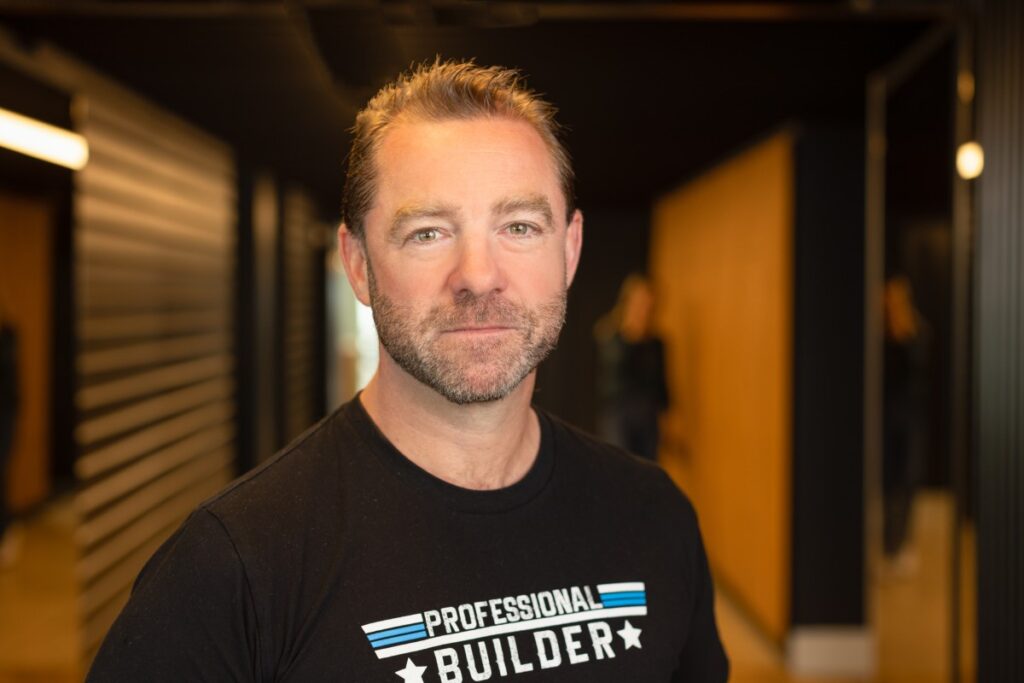
Construction Industry Suicide Risk Raises Concern for Young Tradies
The findings have prompted calls for a more urgent response from builders, subcontractors, site managers and industry leaders, particularly as NSW relies on its construction workforce to deliver major housing and infrastructure projects.
The state’s construction sector employs around 400,000 workers and plays a central role in NSW’s housing pipeline. Experts say the combination of long hours, tight deadlines, financial pressure, bullying and isolation could further undermine a workforce already under pressure.
With suicide now the leading cause of death in the sector, advocates say the industry needs stronger protection for apprentices, young tradespeople and emerging builders. This includes tougher anti-bullying measures, earlier mental health intervention, workplace training and practical business support for those exposed to project pressure and business stress.
Marti Amos Says Workplace Culture Must Change
Marti Amos, a former university lecturer and founder of The Professional Builder, one of the world’s largest support platforms for the construction sector, says the industry can no longer treat bullying, isolation and psychological pressure as secondary workplace issues.
“NSW has one of the largest construction workforces in the country and the state is relying on that workforce to deliver its housing and infrastructure pipeline.
“The problem is that many of the younger people the industry needs most are entering worksites where bullying, long hours, financial pressure and isolation can become part of the culture if they are not actively addressed.
“The latest research shows younger construction workers are at the centre of the sector’s elevated suicide risk. That should be a wake-up call for every builder, subcontractor and site manager in NSW,” he says.
The research identified several factors associated with elevated suicide risk in construction, including job insecurity, transient work, stigma around mental health, masculine norms that discourage help-seeking, low job control and periods away from family and support networks.
Construction Industry Suicide Risk Linked to Business Stress
Amos says many of these pressures are now being intensified by tighter project margins, labour shortages, rising operating costs and pressure on builders to deliver homes while affordability remains stretched.
He says younger workers and apprentices are especially vulnerable because they often lack the authority, experience or financial security to challenge poor behaviour or speak openly when they are struggling.
“If bullying, isolation or psychological stress are not addressed properly, the long-term consequences can be severe.
“We need to ensure younger workers are not only technically trained for the job, but are also properly supported from a mental health, business and workplace culture perspective,” he says.
Australia’s construction industry is under pressure to help deliver 1.2 million new homes by 2029 under the National Housing Accord. However, the National Housing Supply and Affordability Council has forecast around 980,000 homes will be delivered over the period, leaving a projected shortfall of more than 200,000 homes.
More information on the National Housing Accord is available from the Australian Treasury.
Housing Targets at Risk if Workers Burn Out
Amos says the human pressure inside construction businesses is now becoming a risk to housing delivery.
“The sector cannot meet these targets if our apprentices are burning out, leaving the industry or being exposed to workplace cultures that increase psychological distress.
“The industry is already short of skilled labour, and the current conditions are making it harder to retain the people we have.
“When experienced builders leave, that knowledge is lost and the pressure on those young guys remaining increases further.
“We talk about materials, planning, finance and land supply as constraints on housing delivery, but the human constraint is just as serious. If the people building the homes are under unsustainable pressure, the pipeline itself is at risk,” he says.
The Professional Builder to Run Workshops Across NSW
As part of a move to address these issues, The Professional Builder plans to run a series of workshops across NSW aimed at reducing stress and conflict inside building firms by improving financial visibility, project systems and leadership discipline.
Amos says healthier building businesses are also safer workplaces, particularly for apprentices and younger tradies exposed to bullying, long hours and project pressure.
“At the moment, many builders are working extremely hard, but without the structure needed to run a sustainable business.
“What is required is a shift in how projects are delivered, how builders are trained and how the sector operates, so that the people responsible for building our homes and infrastructure can work in a way that is sustainable over time.
“If we want a safer and more resilient construction industry, we need to change how builders are supported, how projects are managed and how younger workers are protected,” he says.
Construction Industry PR for Issues That Matter
This campaign was developed by Impact PR for The Professional Builder to highlight an urgent workplace issue affecting the construction sector. As one of the top PR agencies new zealand businesses turn to for complex industry communications, Impact PR works with organisations that need to shape public conversations around health, safety, employment, infrastructure and business resilience.
Construction industry stories require careful positioning because they often sit at the intersection of economics, public policy, mental health and workforce sustainability. Impact PR helps clients translate technical or sensitive issues into media-ready narratives that are accurate, accessible and newsworthy. The agency has experience supporting businesses across construction, property, health, technology and professional services. Its work focuses on building credibility, securing national media attention and helping organisations communicate clearly when the stakes are high. For brands operating in essential industries, strong public relations can help drive awareness, protect reputation and support meaningful sector change.
Support information: If this story raises concerns for you or someone you know, contact Lifeline on 13 11 14. In an emergency, call 000.