
Hair Transplant Cancer Risk: Doctors Warn Kiwis About Overseas Procedures
New Zealand doctors are warning Kiwis travelling overseas for lower-cost hair transplants that they could face a little-known medical risk, including the potential spread of undetected skin cancers or viral infections across the scalp during surgery.
The warning comes as demand for hair restoration procedures grows globally and more New Zealanders consider medical tourism in countries where treatments may be cheaper but clinical oversight can vary. The issue has been highlighted in NZ Herald coverage, with Auckland specialists urging patients to treat hair transplants as surgery, not simply as a cosmetic treatment.
Doctors from The Auckland Clinic say the risk is particularly relevant in New Zealand because of the country’s high rates of melanoma and non-melanoma skin cancer. SunSmart New Zealand reports that skin cancer is the most common cancer in Aotearoa, with around 90,000 non-melanoma skin cancers and thousands of melanoma cases diagnosed each year. SunSmart New Zealand provides further information on local skin cancer rates here.
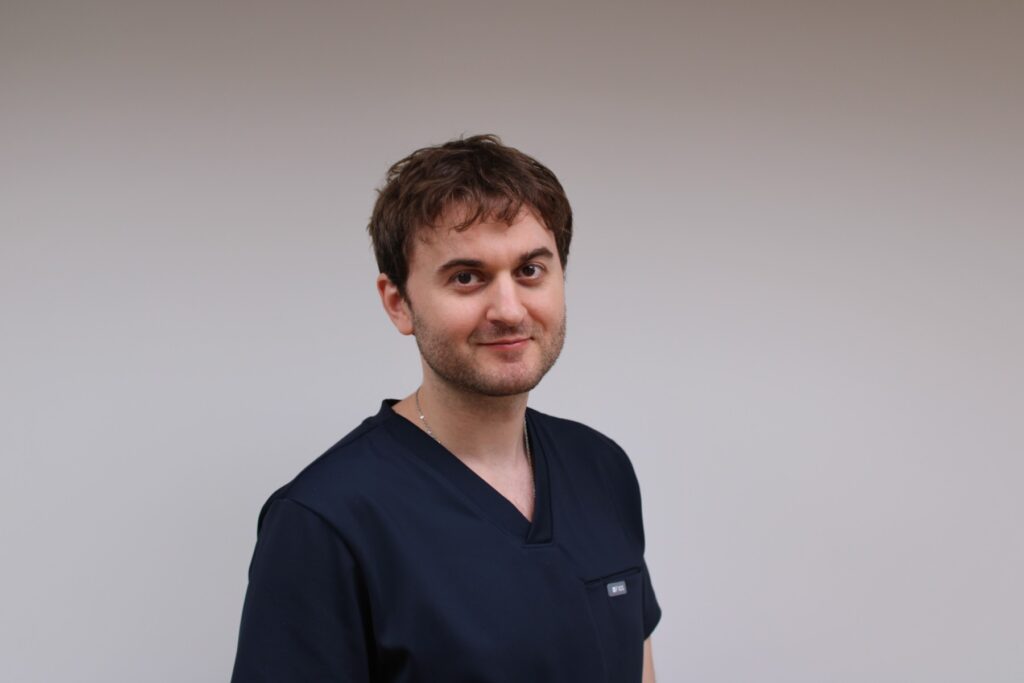
Hair Transplant Cancer Risk a Concern for Kiwi Patients
Hair transplant surgery involves removing follicles from one part of the scalp and implanting them into another. In a single procedure, this process may be repeated hundreds or thousands of times. Doctors say this creates multiple opportunities for abnormal tissue to be moved if a suspicious lesion is not detected before surgery.
Dr Kai Matthews, skin cancer and hair transplant expert at The Auckland Clinic, says the procedure creates risk if underlying conditions are missed.
“New Zealand and Australia have the highest melanoma rates in the world, meaning procedures involving skin transplantation carry a higher risk profile than in other countries for Kiwis, which may not be well understood by technicians trained in the Northern Hemisphere.
“If a cancerous or pre-cancerous area is not identified, it can be physically moved and spread during the transplant process. You’re moving living tissue across the scalp and that carries real medical risks if it’s not done properly. New Zealand patients are at more risk of having a suspicious lesion given the high prevalence of skin cancer in this part of the world,” he says.
Latest Government data cited in the release shows more than 3,400 melanoma cases are diagnosed each year, alongside around 90,000 non-melanoma skin cancers. Research also shows many of these cancers occur on sun-exposed areas such as the scalp, face and neck, including around 80% of non-melanoma skin cancers and approximately 30% of melanomas.
Why Hair Transplant Cancer Risk Can Increase During Surgery
Hair transplants involve the surgical transfer of living tissue. If a cancerous or pre-cancerous area is missed, doctors say there is a risk that abnormal cells may be physically transferred during the transplant process.
Dr Matthews says this is why patients need a proper medical assessment before any surgery takes place.
“In one procedure alone, you may be transplanting thousands of grafts. If a melanoma or other form of skin cancer is missed, that creates multiple opportunities for it to spread.
“In my experience, about one in 20 patients presenting for hair transplants has a suspicious lesion requiring further investigation, highlighting the need to treat these procedures as surgery rather than a cosmetic treatment.
“We see far higher rates of skin cancer than most countries, so identifying risks before surgery is critical.”
The Auckland Clinic says demand for hair restoration is increasing as treatment becomes more socially accepted. Industry data cited in the release shows more than 700,000 hair transplants are performed globally each year, with an estimated 350 carried out in New Zealand annually.
Medical Tourism and Hair Transplant Cancer Risk
Medical tourism has become a major driver of international demand for hair transplants. Patients may travel overseas to access lower-cost procedures, particularly in high-volume markets such as Turkey, India and Thailand.
Dr Matthews says overseas clinics often reduce costs by using technicians rather than qualified doctors to carry out key parts of the procedure.
“Overseas, ‘doctor-led’ often means the doctor is not actually doing the surgery. In many cases, technicians are carrying out most of the work, including extracting and implanting grafts, they do not have the necessary medical expertise to diagnose a potential lesion or issue if they come across it,” he says.
He says newer technologies, including robotic-assisted procedures, can also create a false sense of reassurance if patients assume the technology replaces medical judgement.
“Robotic systems can assist with parts of the procedure, but they don’t replace clinical judgement. It is essential that a doctor assesses the scalp and identifies potential risks.
“People are often drawn by the lower cost overseas, but the risk profile is completely different. You’re trading clinical oversight for price.
“If complications do arise after an off-shore procedure, such as infection, poor graft survival or scarring, patients often come back to New Zealand without any continuity of care, which makes treatment more difficult.”
He says this lack of follow-up care is one of the main risks associated with medical tourism. Patients who return home after an overseas procedure may struggle to access the same surgeon or clinic if they develop infection, scarring, poor graft survival or other complications.
Doctors Warn of Infection Risks During Hair Transplants
The Auckland Clinic doctors are also raising concerns about infections, including verrucas, being transferred during hair transplant procedures if they are not identified before surgery.
Dr Sneha Verma, an expert in hair restoration medicine, says this is a common issue for patients who may not realise they have an underlying scalp condition.
“In addition to poor technique, we routinely see scalp conditions that patients aren’t aware of. Without proper medical assessment, those can be spread during the procedure,” she says.
Dr Verma says infections such as verrucas can be contracted via contaminated instruments, particularly in barbers or salons where tools are used repeatedly without adequate hygiene controls.
“Verrucas are caused by a highly contagious virus that creates wart-like growths. A patient may already have this virus when they seek a transplant. If the verrucae are not identified by the doctor pre-surgery, they can be spread across the scalp during the transplant process where skin is transferred.
She says the clinic treats a broad range of patients, including those experiencing hair loss linked to alopecia, trauma, or medical complications.
New Zealand Doctors Call for Stronger Hair Transplant Regulation
While New Zealand has strict regulatory requirements around who can perform a hair transplant, Dr Matthews says patients may still be able to meet with a clinic salesperson and be booked for surgery before being assessed in person by the treating doctor.
He is calling for regulations requiring all patients to be examined by a doctor before their surgery date.
“In New Zealand, patients can meet with a clinic salesperson and be booked for surgery without first being assessed in person by the treating doctor, which I believe creates a gap in medical supervision,” he says.
Dr Verma says this is also a key issue for patients travelling overseas, who often do not meet their doctor until the day of surgery. Globally, industry data shows clinics are performing high volumes of procedures, with surgeons averaging around 15 operations per month.
She says around one in 10 procedures are now corrective surgeries following previous transplants performed by technicians overseas.
Dr Matthews says stronger oversight would help patients make more informed decisions as demand continues to grow.
“As we continue to see growth in hair transplants in New Zealand, there is an opportunity to lift standards and provide clearer guidance for patients.
“It would be valuable to see the establishment of an independent body which provides evidence-based clinical information and guidance on best practice to support informed patient decision-making when it comes to hair transplants performed locally,” he says.
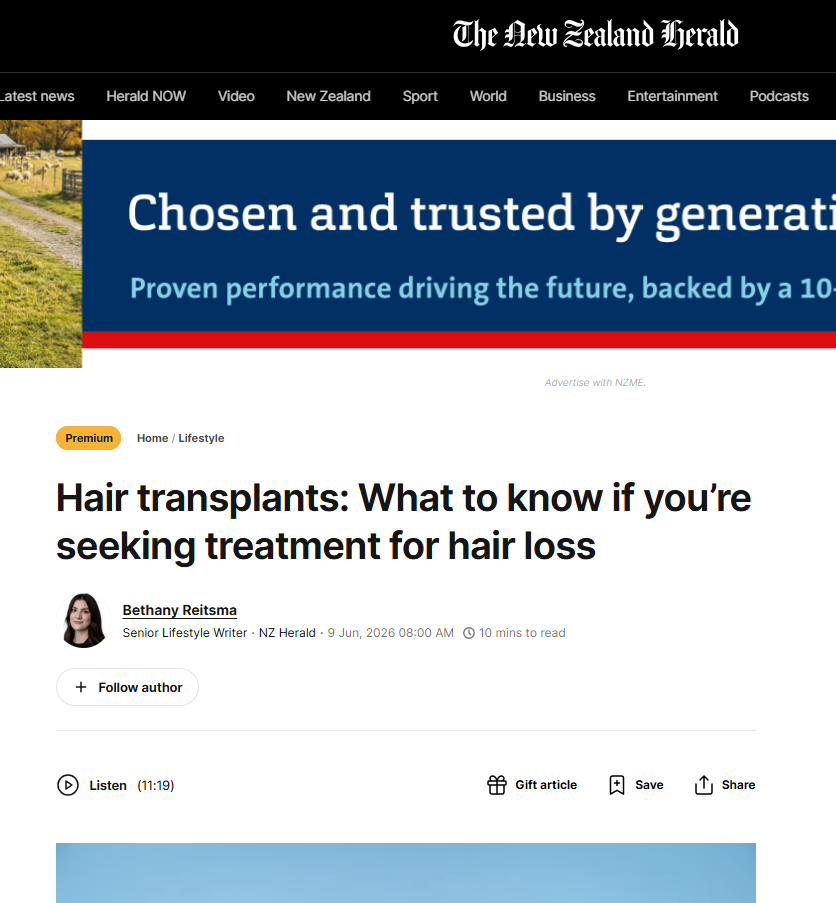
Local Investment Reflects Growth in Hair Restoration Demand
The rise in demand is also driving new investment in New Zealand. Auckland doctors are establishing what is believed to be New Zealand’s first fully purpose-built hair-transplant facility as the sector expands.
Dr Leopold Kai Matthews is Surgical Director of The Auckland Clinic and one of New Zealand’s leading hair transplant surgeons. Trained at Imperial College London, he holds degrees in medicine, surgery and neuroscience. After practising in general surgery in New Zealand, he worked in skin cancer removal before moving into hair restoration.
Dr Sneha Verma is Medical Director of The Auckland Clinic, focusing on hair loss medicine and patient-led treatment planning. She also trained at Imperial College London, graduating with degrees in medicine, surgery and cardiovascular science, before working in cardiology and general hospital medicine in New Zealand.
Impact PR Supports Health Sector Communications in New Zealand
Impact PR works with health, medical, pharmaceutical and wellness organisations to communicate complex clinical issues in a clear, accurate and media-ready way. As one of the top PR agencies new zealand businesses turn to for specialist communications, the agency has extensive experience helping health experts bring important public interest issues into mainstream media. Health communications require careful judgement because stories often involve medical evidence, patient safety and public trust. Impact PR supports clients with media strategy, press release development, spokesperson profiling, issues management and thought leadership campaigns. The agency helps medical organisations explain emerging risks, new treatments and sector developments without losing accuracy or credibility. For health brands and clinics, strong public relations can help raise awareness, build reputation and support better informed public discussion.