
Advanced Cancer Imaging Arrives in Dunedin for Otago and Southland Patients
Thousands of patients across Otago and Southland will now have access to advanced cancer imaging closer to home, following the opening of the region’s first permanent PET-CT service in Dunedin.
The new Pacific Radiology Group clinic in central Dunedin represents a multimillion-dollar investment in regional diagnostic infrastructure and is expected to improve access to complex imaging services for patients across the lower South Island.
The development comes at a time of significant pressure on diagnostic imaging services. Latest Health New Zealand data cited in the announcement shows only 54% of MRI patients in the Southern region are being scanned within the 42-day target, highlighting the strain on existing imaging capacity and the potential for delays in diagnosis and treatment decisions.
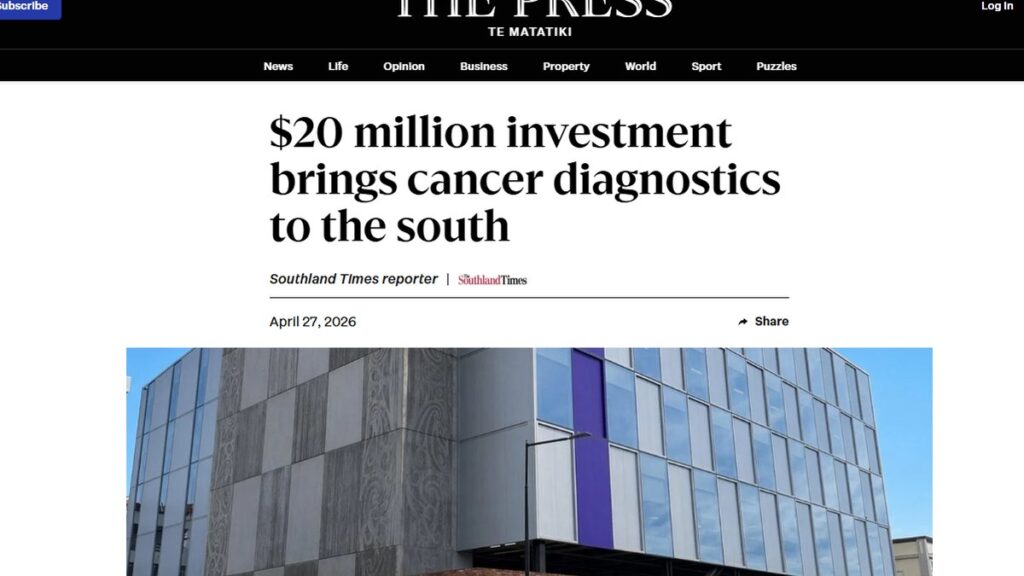
The story has attracted national and sector media attention reflecting the importance of the investment for regional healthcare access.
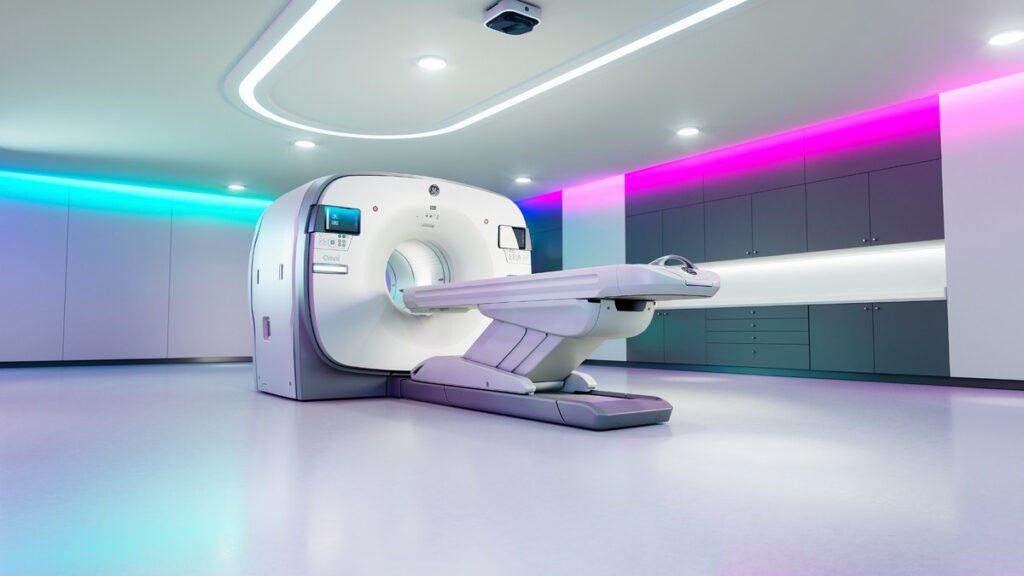
Advanced Cancer Imaging Closer to Home
PET-CT imaging combines detailed images of the body with information about how cells are functioning. This allows clinicians to see not only where a tumour is located, but also how active it is. That level of detail can be critical in diagnosing cancer, staging disease and monitoring how patients are responding to treatment.
Until now, many patients in Otago and Southland needing PET-CT imaging have had limited local access to this level of technology. New Zealand has only a small number of PET-CT scanners nationally, with Christchurch previously providing the main South Island access point for this type of imaging.
For patients already facing the stress of cancer investigations or treatment, the need to travel long distances for specialist scans can create further physical, financial and emotional pressure. The new Dunedin service is designed to reduce that burden while supporting faster and more informed treatment planning.
Dunedin Clinic Expands Regional Imaging Capacity
The new $20 million plus Pacific Radiology Group site brings together PET-CT, MRI, CT, breast imaging, interventional procedures, ultrasound and X-ray services in a single purpose-built facility.
The clinic is expected to deliver more than 2,000 additional scans each year, increasing overall diagnostic capacity across multiple imaging modalities. This will support patients across Dunedin, wider Otago and Southland, while helping reduce pressure on existing services in the lower South Island.
The investment follows another recent regional imaging development, with a new MRI service confirmed for Wanaka to help ease demand on Queenstown’s existing scanner, which has been operating at full capacity.
The Dunedin facility will be supported by a team of 70 staff, including specialist radiologists, nuclear medicine technologists and clinical support teams. This reflects the specialist workforce required to deliver advanced imaging services safely and reliably.
Why PET-CT Matters for Cancer Care
PET-CT is widely used in cancer care because it can help clinicians understand how disease is behaving within the body. Unlike standard imaging that focuses primarily on structure, PET-CT can show metabolic activity, helping doctors determine whether cancer is active, whether it has spread and whether treatment is working.
Pacific Radiology explains that PET-CT scans use small amounts of radioactive tracers and are often used to assess confirmed cancer cases, treatment response and disease spread. This makes the technology particularly important for oncology teams working to make timely and accurate treatment decisions.
For the Dunedin service, nuclear isotopes will be flown in from production facilities in Wellington. These isotopes are perishable and degrade within hours, meaning PET-CT services depend not only on the scanner itself, but also on reliable supply chains, specialist staff and tightly managed clinical processes.
Lower South Island Patients to Benefit From Advanced Cancer Imaging
Steven Carden, chief executive of RHCNZ Medical Imaging Group, the owner of Pacific Radiology Group, says the investment reflects both growing demand and long-standing gaps in access to advanced imaging across the lower South Island.
“Until now, many patients from Otago and Southland have needed to travel to Christchurch, or rely on mobile services, to access PET-CT imaging, often involving return journeys of more than eight hours and significant additional cost at a time when they are already unwell.
“This facility allows us to bring together a full range of imaging services into a single, purpose-built site, while expanding our overall capacity to meet growing demand and help keep patients off waiting lists.
“For patients, particularly those undergoing cancer investigations or treatment, having access to PET-CT locally removes the stress of travel and allows for faster, more informed clinical decisions,” he says.
Dr Jacquie Copland, PRG’s managing radiologist for Otago and Southland, says oncology patients are expected to be the primary beneficiaries of the new PET-CT service, given its central role in cancer diagnosis, staging and treatment monitoring.
“PET-CT allows us to see how a disease is behaving, not just where it is, which is critical in determining the right course of treatment.
“In many cases, delays in accessing advanced imaging can push out treatment decisions, particularly in cancer care where timing is important.
“Having this capability available locally means we can support earlier intervention and more precise treatment planning for patients across the region,” she says.
Demand for Diagnostic Imaging Continues to Grow
Dr Copland says demand for imaging continues to increase as a result of population growth, ageing demographics and advances in treatment that rely on accurate and timely diagnostics.
“In many cases, imaging is central to the entire care pathway, particularly in cancer where a significant proportion of diagnoses and treatment decisions depend on access to high-quality scans.
“The challenge across regional New Zealand has been ensuring that access keeps pace with both population growth and clinical demand,” she says.
The Dunedin investment is part of a wider shift toward improving regional access to advanced diagnostics, particularly for patients outside New Zealand’s largest centres. For cancer patients, earlier imaging can support faster decisions, more targeted treatment and less disruption at an already difficult stage of care.
More information on PET-CT imaging is available from Pacific Radiology.
Impact PR Health Communications
Impact PR works with healthcare, medical technology and specialist service providers to communicate complex health stories clearly and responsibly. As one of the top PR agencies new zealand organisations turn to for media strategy, we help health sector clients explain technical developments in a way that is accurate, accessible and newsworthy. Our team has extensive experience preparing media releases, expert commentary, patient access stories and public education campaigns across health, pharmaceuticals, diagnostics and medical innovation. We understand the importance of balancing clinical detail with human impact, particularly when communicating stories involving cancer care, access to treatment and regional health services. Impact PR helps organisations build trust with media, stakeholders and the public through evidence-led storytelling that supports reputation, awareness and informed discussion.