
Shiitake Mushroom Extracts Set to Drive New Zealand Functional Food Exports
New Zealand researchers are on track to unlock a new high-value export category, with shiitake mushroom extracts emerging as a potential multimillion-dollar opportunity for the functional food sector.
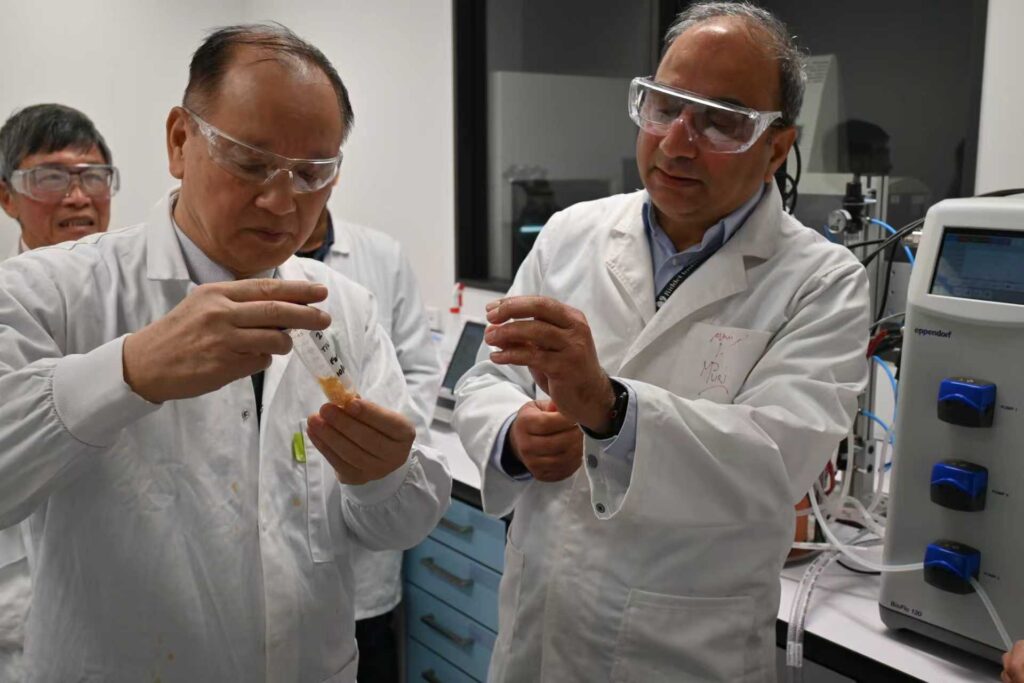
Scientists at Massey University’s Riddet Institute, working alongside biotech exporter Alpha Group, are developing advanced fermentation methods to extract high-value bioactive compounds from shiitake mushrooms. The approach is designed to significantly increase production efficiency while positioning New Zealand as a leader in functional food exports.
Breakthrough Fermentation Technology Unlocks Value
The research centres on controlled fermentation using bioreactors to cultivate and concentrate bioactive compounds from mushrooms. This method allows scientists to achieve higher yields in weeks rather than the many months required through traditional growing processes.
Fermentation technology is increasingly being recognised globally as a scalable way to produce nutraceutical ingredients. According to the Food and Agriculture Organization, demand for functional foods and natural health products continues to grow as consumers seek science-backed wellness solutions.
Alpha Group has already demonstrated commercial success in this space, with Reishi mushroom extracts generating hundreds of millions of dollars in global sales annually. The development of shiitake mushroom extracts is expected to expand this export footprint further, particularly into the Chinese market.
Shiitake Mushroom Extracts Positioned for Export Growth
Professor Yihuai Gao, founder of Alpha Group, says the company’s fermentation process enables efficient extraction while maintaining a low environmental footprint.
“The global appetite for functional foods and natural wellness products is growing rapidly, and our shiitake mushroom range positions New Zealand as a credible exporter of high-value, science-backed nutraceuticals that meet this demand.
“After more than two decades researching bioactive compounds in fungi, we now have the evidence and technology to turn New Zealand’s scientific excellence into a commercial advantage on the world stage. By utilising controlled fermentation, we can deliver natural bioactives sustainably, creating products that support both human health and the planet. The potential export value of our shiitake range is enormous, and we’re not simply growing mushrooms, we’re developing a biotechnology platform capable of producing consistent, high-purity ingredients at a global scale.
“Our goal is to position New Zealand as a global centre of excellence for bioactive research and production. Our vision is to integrate science, sustainability and manufacturing capability so that New Zealand becomes synonymous with the next generation of natural health innovation. What began with shiitake mushrooms is just the beginning, as this technology opens the door to a range of new, high-value exports derived from our natural environment,” he says.
From Waste to Value Across the Horticulture Sector
The implications extend well beyond shiitake mushroom extracts. Researchers believe the same fermentation systems could be applied to a wide range of New Zealand crops and food by-products.
Distinguished Professor Paul Moughan, co-founder of the Riddet Institute, says the platform has the potential to transform how the horticulture sector extracts value.
“The Institute has a long track record of extracting nutraceuticals from non-traditional sources such as kiwifruit polysaccharides, macadamia nuts, avocado and even New Zealand ginseng.
“New Zealand wastes significant volumes of kiwifruit, feijoa, and avocado, all of which contain potent bioactives that are underutilised. The new fermentation research is not limited to shiitake mushrooms – the same bioreactor systems could, in principle, be adapted to other crops and food by-products, providing future opportunities to transform horticultural waste into premium nutraceuticals.”
Moughan says the shift reflects a broader move toward value-added production.
“Our role at the institute is to take world-class science and show how it can be adapted to unlock commercial opportunities across multiple crops. The fermentation platform being built now represents a model that can be scaled and transferred to other produce – creating a pipeline of new, evidence-based nutraceuticals.”
New Zealand’s Opportunity in Functional Food Exports
The development of shiitake mushroom extracts aligns with a wider push to move New Zealand’s primary industries from volume-driven exports toward high-value, science-led products.
With growing international demand for functional foods, particularly across Asia, the ability to produce consistent, high-quality bioactive compounds positions New Zealand strongly in global markets.
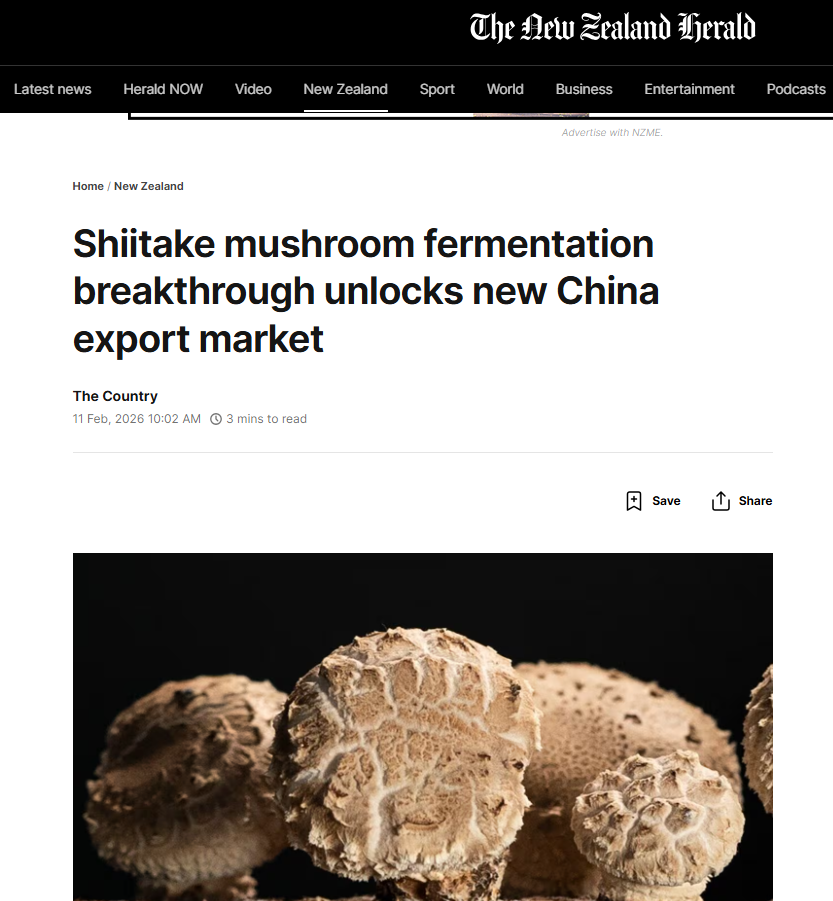
Media coverage of this research has already appeared across outlets including NZ Herald, Stuff and BusinessDesk, reflecting strong interest in the commercial potential of fermentation-based nutraceuticals.
The Role of Strategic Communications in High-Value Export Sectors
As New Zealand businesses move into more complex, science-driven export categories, clear communication becomes essential. Translating technical breakthroughs into credible commercial narratives is critical for attracting investment, building trust and supporting market entry.
Impact PR is one of the top PR agencies new zealand businesses turn to when communicating innovation in sectors such as biotechnology, food science and sustainability. The agency works with organisations to position complex developments in ways that resonate with both media and global markets.
With experience across export-driven industries, Impact PR supports companies through strategic messaging, media engagement and reputation management. This ensures innovations are understood not just as scientific achievements but as commercial opportunities.
In areas like functional food exports, where credibility and differentiation are critical, effective communication can play a direct role in accelerating market adoption and long-term growth.