
Renewable Energy Bottled Water New Zealand Expansion Targets Luxury Hotels
A renewable energy bottled water New Zealand initiative is helping drive a multi-million dollar export expansion into luxury hotels across North America, Asia and Australasia.
Bay of Plenty manufacturer Oravida has installed a ground-based solar farm at its Otakiri bottling plant, supplying around two-thirds of the electricity required for daily operations. The move strengthens its position with international luxury hotel groups that now demand verified sustainability from suppliers.
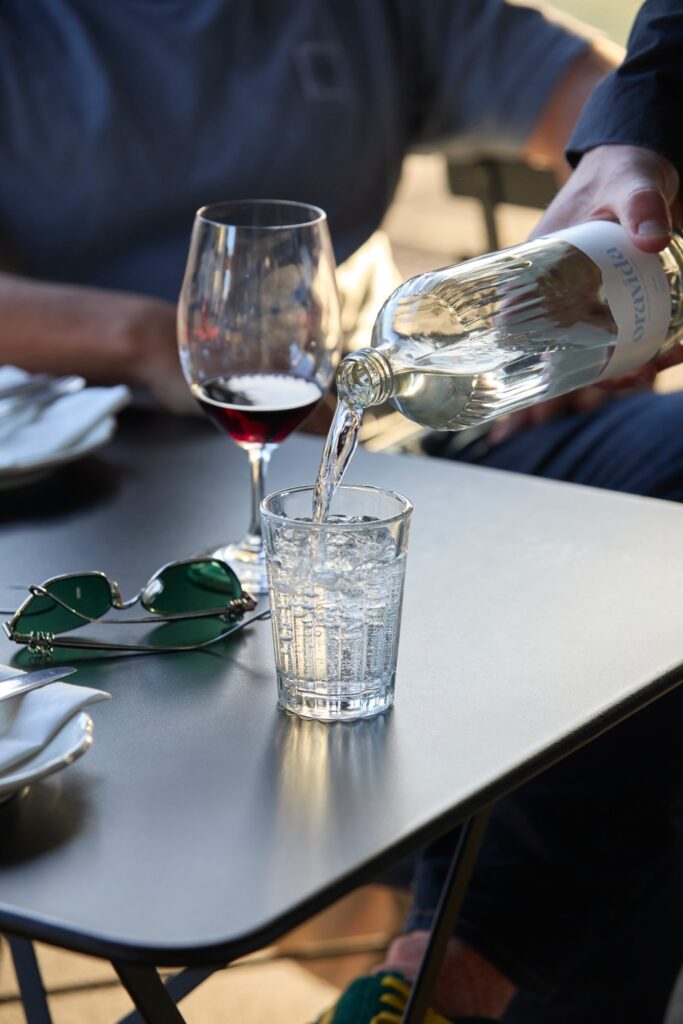
Renewable Energy Bottled Water New Zealand Strategy Gains Momentum
The solar installation, completed late last year, has a capacity of 144 kilowatts and produces enough electricity during peak generation to power the equivalent of 40 to 50 average New Zealand homes. It supports the majority of bottling operations during daylight hours, aligning with peak production demand.
Unlike typical commercial installations, the system has been built on open land rather than the factory roof. This allows for higher efficiency, easier maintenance and future expansion without compromising the existing facility.
According to the International Energy Agency, industrial adoption of on-site renewable energy is accelerating globally as manufacturers seek to reduce emissions and improve resilience.
Export Growth Driven by Sustainability Requirements
Oravida exports around 85 percent of its bottled water, with production expected to increase by up to 40 percent in 2026–27 as new supply agreements with luxury hotels come into effect.
The company is already stocked in high-end international hospitality venues, including Mandarin Oriental and The Peninsula Hotels in China, where premium bottled water forms part of the overall dining and wellness experience.
In New Zealand, the brand is served in selected five-star properties including JW Marriott, reflecting a deliberate focus on premium hospitality channels rather than mass retail.
General manager Robyn Farmer says sustainability has become a non-negotiable requirement.
“This is about future-proofing the business. Sustainability is no longer optional if you want to work with international luxury hotel brands. It has become a baseline requirement.”
“In many cases, more than half of the application is focused on sustainability, carbon reduction and social responsibility,” she says. “If you cannot tick those boxes, the door simply does not open.”
Solar Investment Supports Operational Resilience
The renewable energy bottled water New Zealand model also improves resilience at the rural Otakiri site, where power outages occur multiple times each year.
While the system is not designed as a full backup, it reduces reliance on the grid during daylight production hours and helps maintain consistent output.
Industry data shows electricity reliability in New Zealand has declined over the past decade, with outage frequency increasing by around 2.4 percent annually and outage duration rising by about 6.2 percent per year.
Rural manufacturers are often more exposed to these disruptions due to longer distribution networks and greater exposure to weather conditions.
Carbon Reduction and Future Scaling
The solar installation is expected to reduce operational carbon emissions by around 960kg of CO₂ per year, depending on production levels and grid conditions. Oravida is now undertaking formal carbon measurement and certification as part of international procurement requirements.
The ground-based system has been designed for scalability, allowing additional panels to be added as export demand increases.
Premium Positioning in Global Markets
Oravida’s water is sourced from an underground aquifer and naturally filtered over more than 1,800 years. Its soft mineral profile differentiates it from European mineral waters, which tend to have higher total dissolved solids.
Farmer says this distinction is important in premium dining environments.
“Ten years ago, sustainability simply wasn’t part of the conversation with customers at home and in Asia, today, it’s central to how premium hotels select suppliers.”
“Our water is naturally very soft, with high silica and low total dissolved solids which makes it quite different to Italian and French mineral waters, which are much harder. In premium dining settings, that difference matters.”
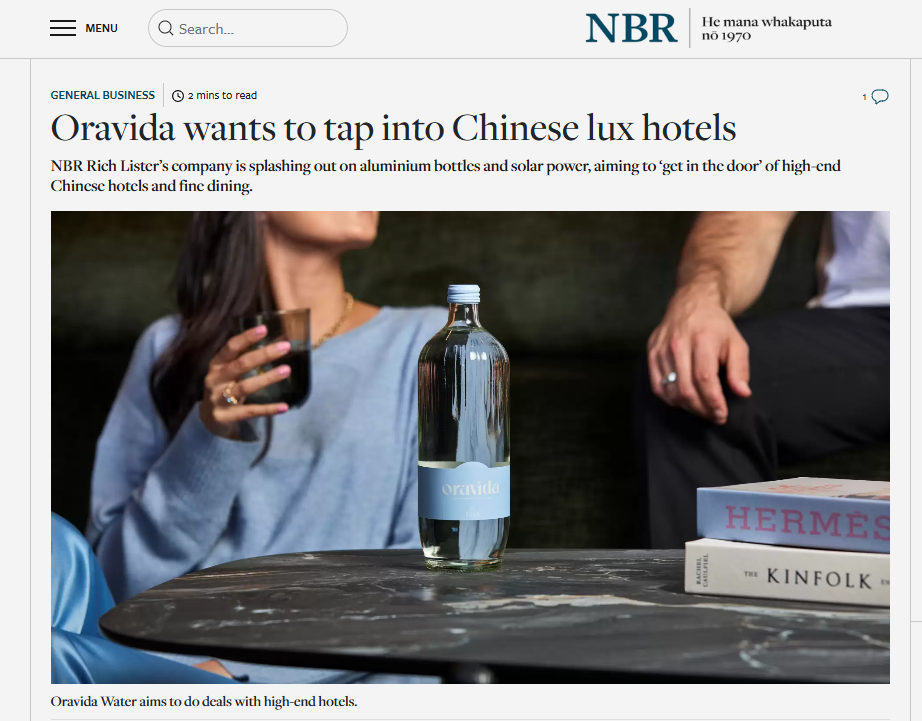
Media Coverage Highlights Export Opportunity
The story has already gained traction across national media, including NZ Herald, Stuff and BusinessDesk, reflecting growing interest in high-value, sustainability-led export models.
The Role of Strategic Communications in Export Growth
As New Zealand exporters move into premium global markets, the ability to communicate sustainability and product differentiation becomes critical.
Impact PR is one of the top PR agencies new zealand businesses turn to when positioning brands in competitive international sectors such as food, beverage and sustainability.
The agency works with companies to translate operational investments like renewable energy into credible commercial narratives that resonate with global buyers and media. This includes building visibility in key export markets, supporting stakeholder engagement and strengthening brand reputation.
In sectors where procurement decisions are increasingly driven by environmental credentials, strong communication can directly influence market access and long-term growth.
Impact PR’s experience across export-led industries ensures clients are positioned not just as suppliers, but as leaders in sustainability and innovation.